

Groups like Alcoholics Anonymous (AA) provide a strong community of support that includes individuals who are facing similar challenges. These groups offer an environment where individuals can share their experiences, find encouragement, and learn from others who have faced similar challenges. Support groups often utilize a step-based program that encourages personal responsibility and spiritual growth, which many find beneficial for long-term recovery. However, not everybody will experience a red face when drinking, and not everybody that does is an alcoholic. Those who struggle with rhinophyma might feel awkward seeking medical treatment and worry about others incorrectly labeling them as alcoholics or assuming they have a drinking problem.
Early Signs and Symptoms
For severe cases, isotretinoin (formerly known as Accutane) may be considered. This powerful medication can significantly reduce sebaceous gland activity and inflammation, potentially preventing further progression of rhinophyma. However, isotretinoin requires careful monitoring due to potential side effects. Texture changes are also prominent, with the skin becoming thick and bumpy, often described as having an “orange peel” appearance. Visible blood vessels, called telangiectasias, become prominent across the surface of the nose.

Skin Capillary Damage: Alcohol dilates blood vessels, causing redness and swelling over time
Create a support group of your friends and family so that they can help you through this challenge. Remember that it is easier to do this when you have support or professional help. When seeking professional help, make sure you find the right place for you, full of professional staff members looking to guide you to a better life. Reach out to us today to learn more about our substance abuse treatment programs in San Antonio or to get started with a confidential, risk-free assessment.
- Despite its misleading nickname, “alcoholic nose” – medically known as rhinophyma – isn’t necessarily caused by alcohol consumption.
- Rhinophyma usually comes in stages, developing slowly before the thickened, bulbous appearance becomes obvious.
- One study found that out of 108 patients with rosacea, only 15 were noted to also have rhinophyma, almost all of whom were men.
- These bumps are actually benign tumors that occur on the tips and bridge of the nose.
- Contact us today for more information on how alcohol worsens rosacea and how we can help you recover.
Sia’s Story of Recovery from Alcohol and Drug Addiction
Some people report being passed over for promotions or leadership positions where public representation matters. She specializes in complex trauma treatment, anxiety disorders, substance addiction, and EMDR (Eye Movement Desensitization and Reprocessing). If you or a loved one are struggling with alcohol use or its physical effects, we’re here to help. Let Mana Recovery guide you toward a life of wellness, dignity, and self-discovery. In some cases, a skin biopsy may be performed to rule out other conditions like acne, skin cancer, or infections. Proper management of rosacea Substance abuse in its earlier stages is essential to avoid severe complications like rhinophyma.
If you use rhinophyma as a starting point to monitor a close friend or loved one, you can look for agitation of their rosacea symptoms over time. The more alcohol they consume, the more aggravated their symptoms will be and the more they https://ecosoberhouse.com/ will spread. Just because they have swelling and discoloration around the nose does not mean they are an alcoholic. This stigma has caused many people to feel uncomfortable and ostracized from society. Even blockage of your nose due to malformation won’t cause any dangerous issues.
Family therapy may also be offered, as it can help to repair and improve family dynamics that may have been impacted by one’s drinking or that may contribute to drinking behavior. However, there are several treatments that you can try to control symptoms and reduce visible redness. If you are curious about the options that are available to you, you should consult your primary care physician and see what kinds of treatments they recommend. As you can see from that list, alcohol is a factor that can trigger a rosacea flare-up. In this way, alcohol does have some connection to rhinophyma, although alcohol alone is not the root alcoholic nose cause of rhinophyma.
- Blood vessels expand and sometimes break, making some heavy drinkers look red and flushed even when sober.
- This also is not funded by the NHS, and reconstructive surgery can cost tens of thousands.
- While the previous belief was that rhinophyma was the result of alcohol consumption, there is no factual link between alcohol and rhinophyma.
- Awareness and action can make a significant difference in avoiding the physical and emotional toll of rhinophyma.
- Spring Hill Recovery Center provides residential treatment for addiction and co-occurring mental health issues.
- Addressing these lifestyle factors is crucial for mitigating nose-related skin issues in alcoholics.
A dermatologist can accurately diagnose rhinophyma and rosacea and recommend appropriate treatments. A primary care physician can assess overall health and discuss concerns related to alcohol consumption. Practices such as yoga, meditation, and regular physical activity can help reduce stress-related flare-ups. Staying hydrated and following a balanced diet rich in anti-inflammatory foods like leafy greens, berries, and omega-3 fatty acids may also support skin health.
Signs of Alcoholic Addiction and Misuse
When blood vessels burst, it makes the blood visible under the surface of the skin, leading to skin redness. In more severe cases, the nose and cheeks can take on a purple hue and start to become severely disfigured as they become more bulbous. Studies suggest that even moderate drinking (defined as up to one drink per day for women and two for men) can trigger rosacea flare-ups in susceptible individuals. Heavy drinking, defined as more than four drinks per day for men and three for women, significantly increases the risk of developing rosacea and worsening existing symptoms.

Common procedures include laser therapy, particularly CO2 lasers, precisely removing thickened skin layers. Dermabrasion, a technique sanding down the skin’s surface, and surgical excision (shaving or cutting away overgrown tissue) are also utilized to restore a more typical nasal contour. These surgical methods improve both cosmetic appearance and functional issues like breathing difficulties. Alcoholic nose, or rhinophyma, is a condition characterized by a swollen, red, and bulbous nose. It is often linked to severe rosacea and can be exacerbated by alcohol consumption but is not directly caused by it.
Who is most at risk for alcoholic nose?
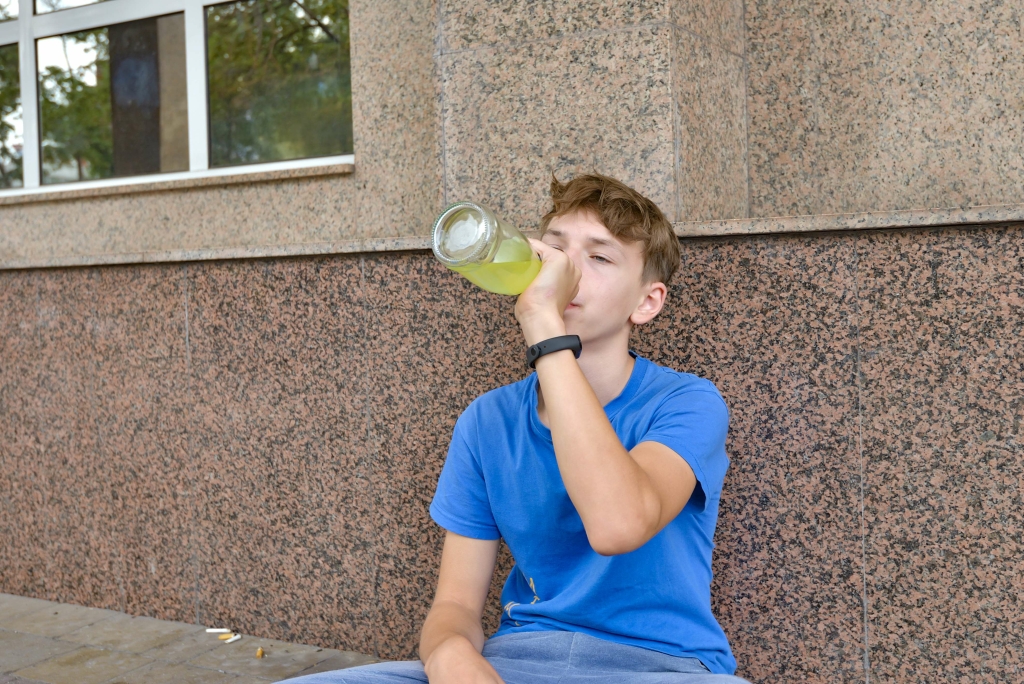
Awareness and action can make a significant difference in avoiding the physical and emotional toll of rhinophyma. In some instances, chronic heavy alcohol abuse can lead to a more profound discoloration of the nose, resulting in a purple nose alcohol hue or a deeper reddish-purple appearance. Chronic alcohol use can weaken the walls of capillaries and larger blood vessels, making them more susceptible to dilation and contributing to long-term facial redness or purpling. This is often referred to as “alcoholic nose” or “drinker’s nose,” though it is not solely caused by capillary dilation but also involves other factors like tissue swelling and skin damage. While alcohol can trigger or worsen rosacea symptoms in susceptible people, causing more flushing and vasodilation, it does not cause the underlying condition. Studies have shown that rhinophyma occurs just as frequently in people who do not drink alcohol.
Does Alcohol Abuse Cause Rhinophyma?
This assumption runs so deep in our culture that it’s shaped how we view an entire medical condition. But what if everything you thought you knew about “alcoholic nose” was wrong? The time has come to separate medical facts from cultural myths and understand what’s really happening when someone develops this misunderstood condition. It’s crucial to know when a red nose alcohol association, or any persistent nasal redness or changes, warrants medical attention. Early intervention for dermatological conditions like rosacea and rhinophyma, as well as for potential alcohol use disorder, can significantly improve outcomes.
It is the initial step in overcoming addiction and paving the way for a healthier, substance-free life. During detoxification, the body works to metabolize and eliminate the toxins accumulated from prolonged substance abuse. However, only a small percentage of people with rosacea will develop the condition.