

The platform’s AI engine analyzes user data, including body composition, workout history, and biometric information, to create personalized workout plans that adapt over time. Tempo’s approach aims to replicate the experience of having a personal trainer in the comfort of one’s home, offering a blend of strength training, cardio, and recovery exercises. Fitbod is an innovative AI-powered fitness application designed to create personalized workout plans tailored to individual users’ goals, fitness levels, and available equipment. Leveraging machine learning algorithms, Fitbod analyzes user data and workout history to generate customized training programs that adapt and evolve over time. The app aims to optimize muscle recovery and strength gains by intelligently varying exercise selection, intensity, and volume between sessions. Artificial intelligence is revolutionizing the fitness industry by offering personalized workout experiences right at our fingertips.
Running & Cardio
Before you jump in you can preview each exercise, edit the reps and weight field, or add additional sets. Fitbod centers mainly on strength training and lifting, which means it isn’t for everyone. But it does make it a little easier for beginners to discover and approach new exercises they might not know about.
AI-Enhanced Activity Trackers
They will not just help you work out – they will manage recovery, sleep, hydration, and even mental wellness. The result will be a holistic digital coach that grows with you, from your first push-up to your lifelong wellness routine. If your stress levels are high, it can recommend yoga instead of HIIT. If your sleep data looks solid, it might unlock a more intense strength program. When you start skipping sessions, it sends friendly nudges or gamifies progress to help you stay consistent.
Best for Cardio: Peloton
” icons offered some detailed explanations, several features remained a bit unclear, requiring us to dig into the FAQ and blog, which, in their defense, were impressively detailed. This, we felt, could be an issue for beginners, as seeing complex metrics like RMSSD, DFA a₁, and ESS right on the homepage could easily feel overwhelming. Visual guides or video tutorials seemed like a no-brainer to help maximize the app’s potential for new users. Your personal Dashboard offers a health snapshot much like other wellness apps, but another standout feature is MaxConnect. As you progress, Tempo’s AI learns from your performance, adjusting the suggested amount of weight to lift or reps to perform to fit your goals — whether you’re building strength or boosting cardio. Finally, make sure the app fits your lifestyle and specific goals.
Generate Unlimited Gym Names with our FREE AI Gym Name Generator
Our only other gripe was the dated design, especially the calendar, which doesn’t easily display weekly or monthly data and offers no workout-editing options. You can drag to reorder or delete sessions, but there’s no undo if you make a mistake. When the plan finally loaded and we accessed the dashboard, everything felt best workout apps for beginners men relatively user-friendly and organized. It very clearly had imported all of our information from past workouts as well as our health data – already showcasing recovery scores.
- The system might suggest new exercises or different training methods to shock the muscles into new growth, all while carefully managing fatigue and recovery to keep performance high.
- You cap out at clients, your income plateaus, and every vacation feels like a risk you can’t afford.
- The progress charts are motivating, and the reminders keep me consistent.
- Freeletics takes into account your previous exercises and feedback to fine-tune your daily workouts.
- Tracking client nutrition is more efficient when you integrate AI tools and fitness apps.
- Built upon the esteemed OPEX coaching principles and enriched with client data and coach input, RxBot is your gateway to an unparalleled program design process that’s both personalized and efficient.
The Hidden Risk of Central Fatigue and Why Coaches Must Adapt in Real Time
You can still do the classic 28-minute bodyweight circuits, but there is so much more variety now. Others are optimized for home workouts with nothing more than a yoga mat and a pair of dumbbells. The best apps let you filter workouts based on what you have on hand. We evaluated how quickly and accurately each app adjusts weight, sets, and reps based on performance data. If you’re on a tighter budget, I’d recommend it for those who already have gym experience and would like to log their workouts on their phone. (Granted, plenty of apps do this for free.) There are numerous workouts in the app so even the most polished gym goers will find something new to try.
AI triathlon training: What we’d like to see…
An AI powered workout app is practically tailor-made for this lifestyle. It strips personal bias out of the equation and just uses the cold, hard data to make the smartest decisions for long-term gains. If we look at a platform like Zing Coach, for example, we can see exactly how this adaptability works for different people with completely different goals and lives.

Improving Real World RAG Systems: Key Challenges & Practical Solutions
Apps like Caliber offer limited free coaching check-ins, but ongoing support requires payment. You should be able to add exercises that match your specific situation. Some provide genuine value, while others are essentially demos for premium subscriptions. In this article, we will explore the best AI workout apps that are transforming the way we train, recover, and stay motivated. FitBudd earns its place here not as a single-purpose AI tool, but as the platform that ties your entire coaching operation together, with a genuine suite of AI-powered tools on top.
Gather Patient Vitals and Clinical Data Real Time
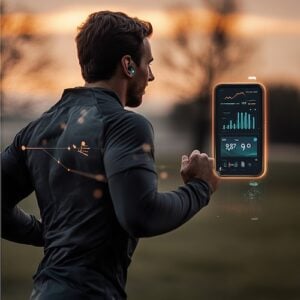
AI-Powered WearablesSmartwatches and fitness trackers like the Apple Watch, WHOOP, and Oura Ring leverage AI to track heart rate, sleep quality, and recovery. These wearables provide insights into overall fitness and even suggest modifications to workouts based on readiness and fatigue levels. WHOOP’s recovery algorithm, for instance, helps athletes determine whether they should push hard or take a rest day. Artificial intelligence (AI)-driven coaching solutions are becoming increasingly prevalent in the fitness industry.
Fitness Database
However, it may be less of a letdown for Strava users since the platform focuses more on social sharing rather than coaching or structured training plans and calendars. While platforms like Tonal and Tempo offer powerful workout experiences, they’re also expensive and take up quite a bit of space. But AI workout apps bring personalized fitness directly to your phone, offering flexibility and accessibility for every workout. If you prefer a more traditional home gym setup with free weights, Tempo offers high-quality, instructor-led workouts using dumbbells and barbells, as well as body-weight sessions.
An AI app can instantly pivot, creating a shorter, high-intensity routine that still moves the needle. It accounts for your energy levels, shifting schedule, and available equipment on the fly. The more you listen, the better it gets at queuing up new songs you’ll actually love. Machine learning in a fitness app works the exact same way, but with exercises instead of artists. AI-driven tool simplifies meal planning with personalized recipes. Sign up to receive the latest health and fitness insights, industry updates and exclusive offers.